
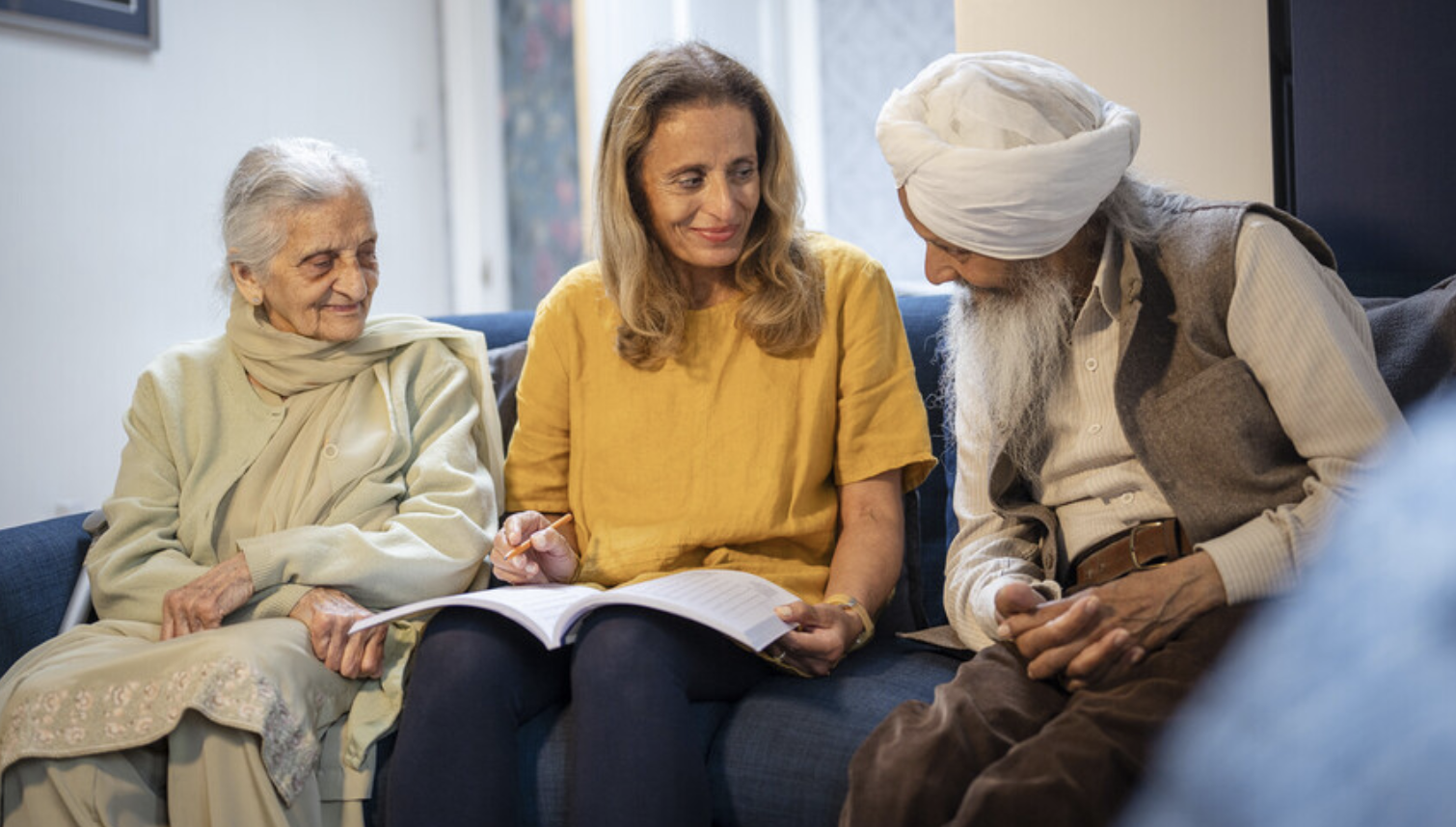
OPAAL campaign warns that failing to plan for death can leave families, friends and carers facing a maze of difficult decisions.
What happens to your bank account? Who knows where your important documents are? What happens to your digital life? Who contacts the people who need to know? And, perhaps most importantly, who knows what you actually wanted?
These are the questions the Older People’s Advocacy Alliance (OPAAL) wants older people to consider before it is too late. OPAAL has launched its “Time for a Cuppa” campaign, encouraging older people to sit down with someone they trust and have an honest conversation about what they would want to happen at the end of their life – and after their death.
The campaign tackles a subject many people would rather avoid, but OPAAL says that not talking about death can leave those left behind facing unnecessary distress, confusion and difficult decisions.
Colette Isaaks of OPAAL said: “Death isn’t the difficult conversation – leaving everything unsaid is.
“We don’t want people to be frightened by the thought of death. We want them to feel empowered by planning for it. A conversation over a cup of tea could prevent someone you care about having to make difficult decisions in the dark.”
OPAAL says planning for death should be about much more than arranging a funeral or making a will. Its free resources encourage people to consider practical questions such as:
· Who should be contacted when I die?
· Who knows where my important documents are?
· What do I want to happen to my body?
· What are my funeral wishes?
· Who could deal with my affairs?
· What happens to my bank accounts, pensions and other finances?
· What should happen to my digital accounts and online assets?
· Where are my important passwords and contacts recorded?
· Do I need to consider a Lasting Power of Attorney?
· What should happen to my possessions and personal belongings?
· Who should be told about my death?
· Who will support the person or people left behind?
OPAAL is also concerned about older people who do not have adult children or close relatives who can automatically step in when something goes wrong.
Colette Isaaks said: “We often assume that when an older person dies, their children or other close relatives will simply take care of everything. But what happens when there are no children, no close family and perhaps no obvious person to take responsibility?”
“We need to stop assuming that everyone has someone who will be there to sort things out. Planning ahead gives people the opportunity to decide who they trust and what they want.”
OPAAL also wants greater recognition of the people who can become involved without having had a close personal relationship with the person who died.
Someone dealing with the aftermath of a death may have to navigate unfamiliar responsibilities while also trying to understand what the deceased would have wanted. They may not know:
· Where important documents are kept
· Who should be contacted
· Whether there is a will
· What financial commitments exist
· What should happen to possessions
· What digital accounts or assets exist
· Who should be informed about the death
· What funeral or body-disposition wishes the person had
· Who can provide emotional or practical support
OPAAL is offering free practical resources and checklists that can be used by individuals, families, community groups and organisations.
The campaign’s message is deliberately simple:
Make a cuppa. Start the conversation. Make your wishes known.
OPAAL website


