-
“Older renters at risk of being left behind”
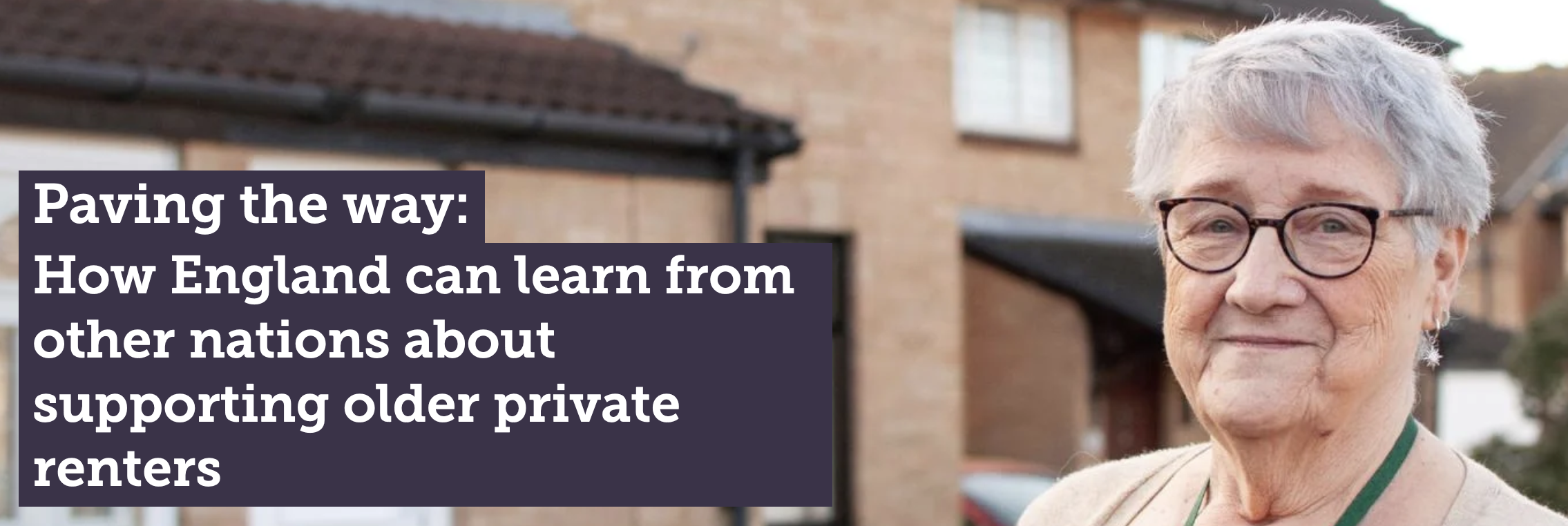
Older private renters in England are at risk of being left behind, says Independent Age, the charity supporting older people in financial hardship, and their new report report urges Government to learn from the rest of the world.
-
“Older people need a voice”: call on Scottish Government to appoint Commissioner for later life
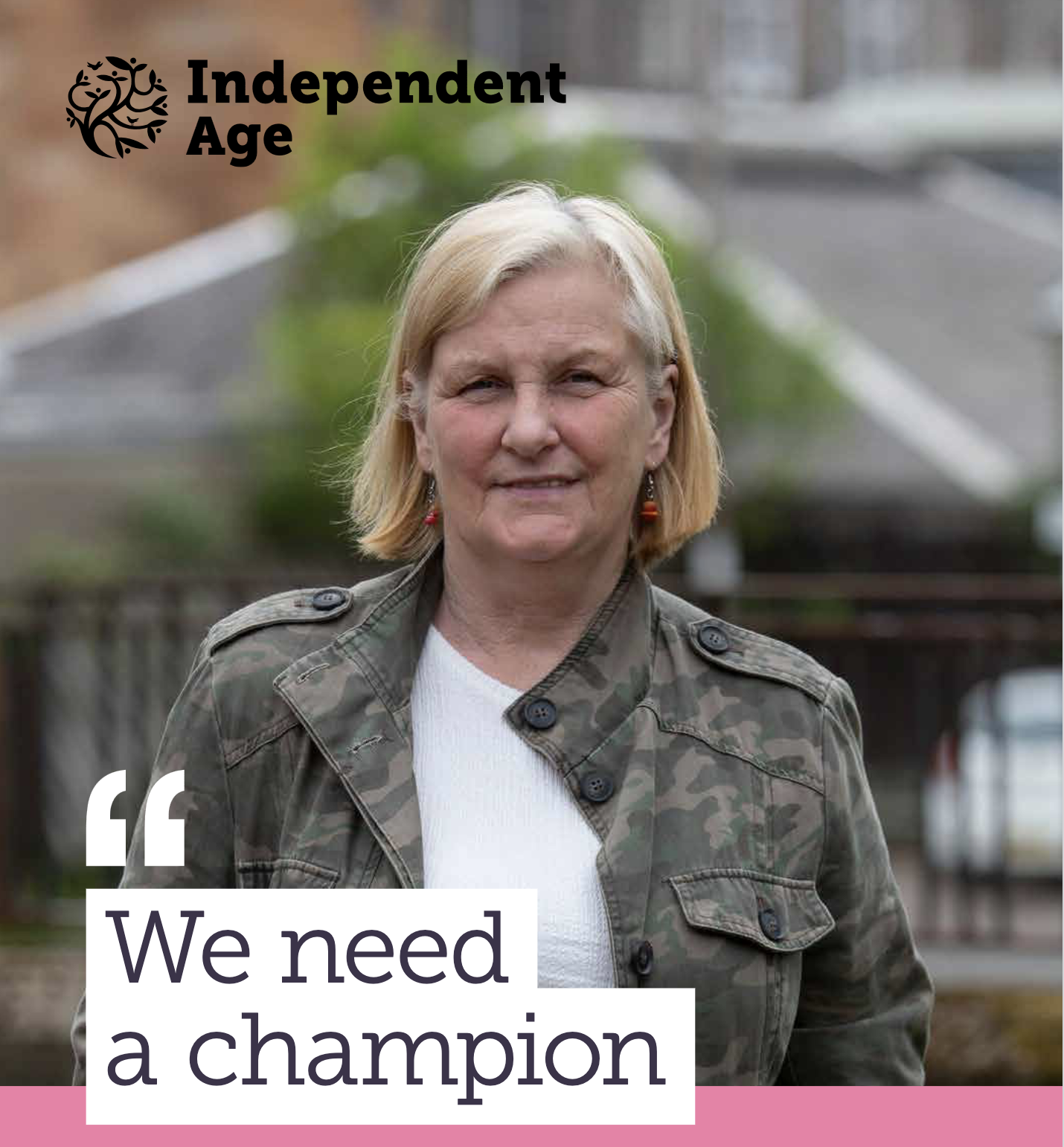
New report highlights just under three-quarters (72%) of those aged 65 and over in Scotland think the issues they face are badly understood by society and almost 9 in 10 (89%) people aged 65 or over in Scotland support appointing a Commissioner
-
The causes and impact of poor housing
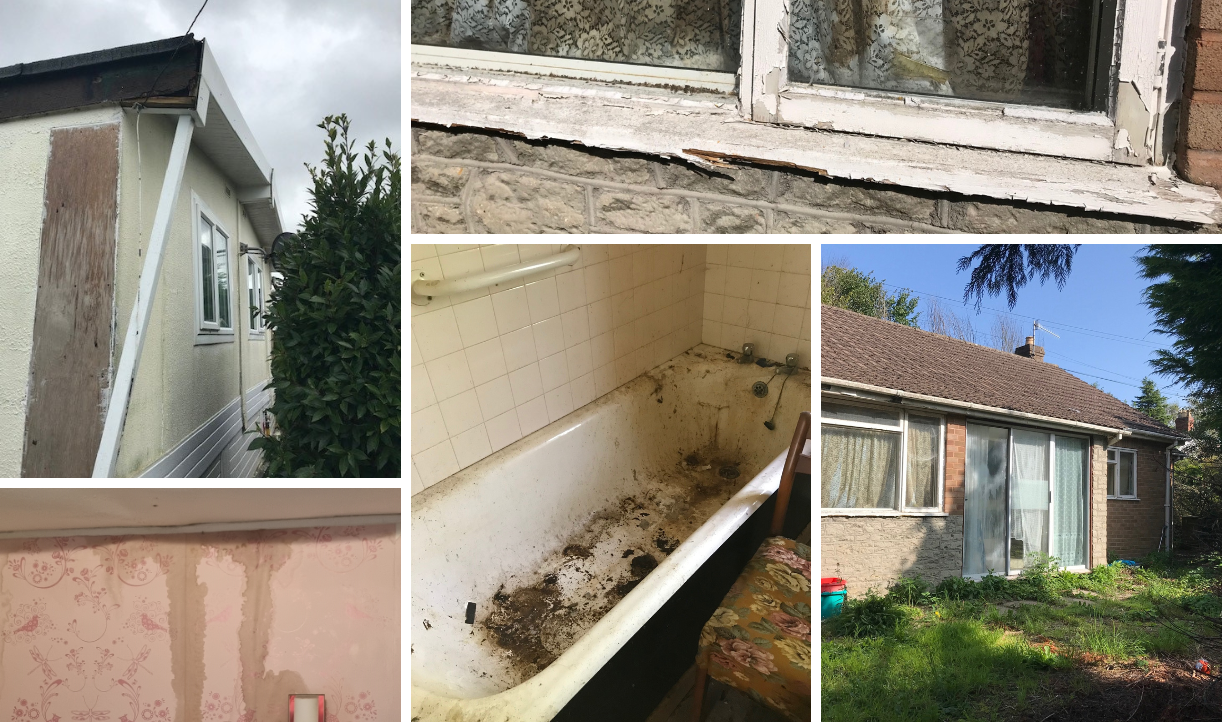
Care & Repair Cymru’s new report highlights the serious consequences of disrepair in Wales, and concludes that tackling wear and tear leads to better health and wellbeing outcomes.
-
How images can help those living with dementia engage with life

When we develop severe dementia and our ability to get out in the real world is limited, pictures, writes Deborah Stone, can play a vital role in engagement. But be careful about the images you show…
-
Spring Budget branded a “missed opportunity” to help the poorest pensioners
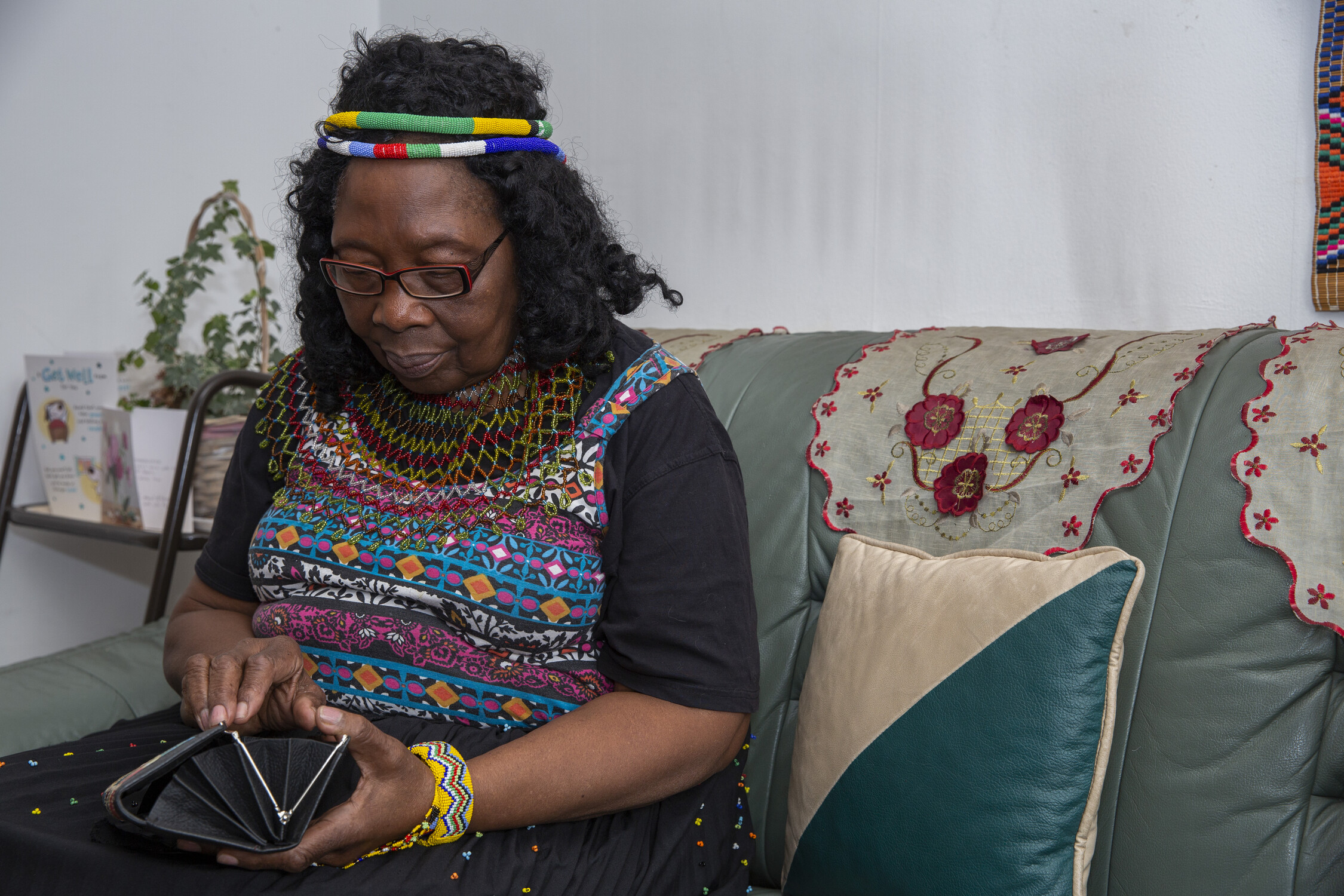
While the financial pundits pontificate over the finer details of the Spring Budget, and politicians of all colours ponder over its potential impact on the next General Election, the significance for pensioners is clearly… well, insignificant. By Tony Watts OBE.
-
Older people’s mental health “being overlooked” through ageism and discrimination
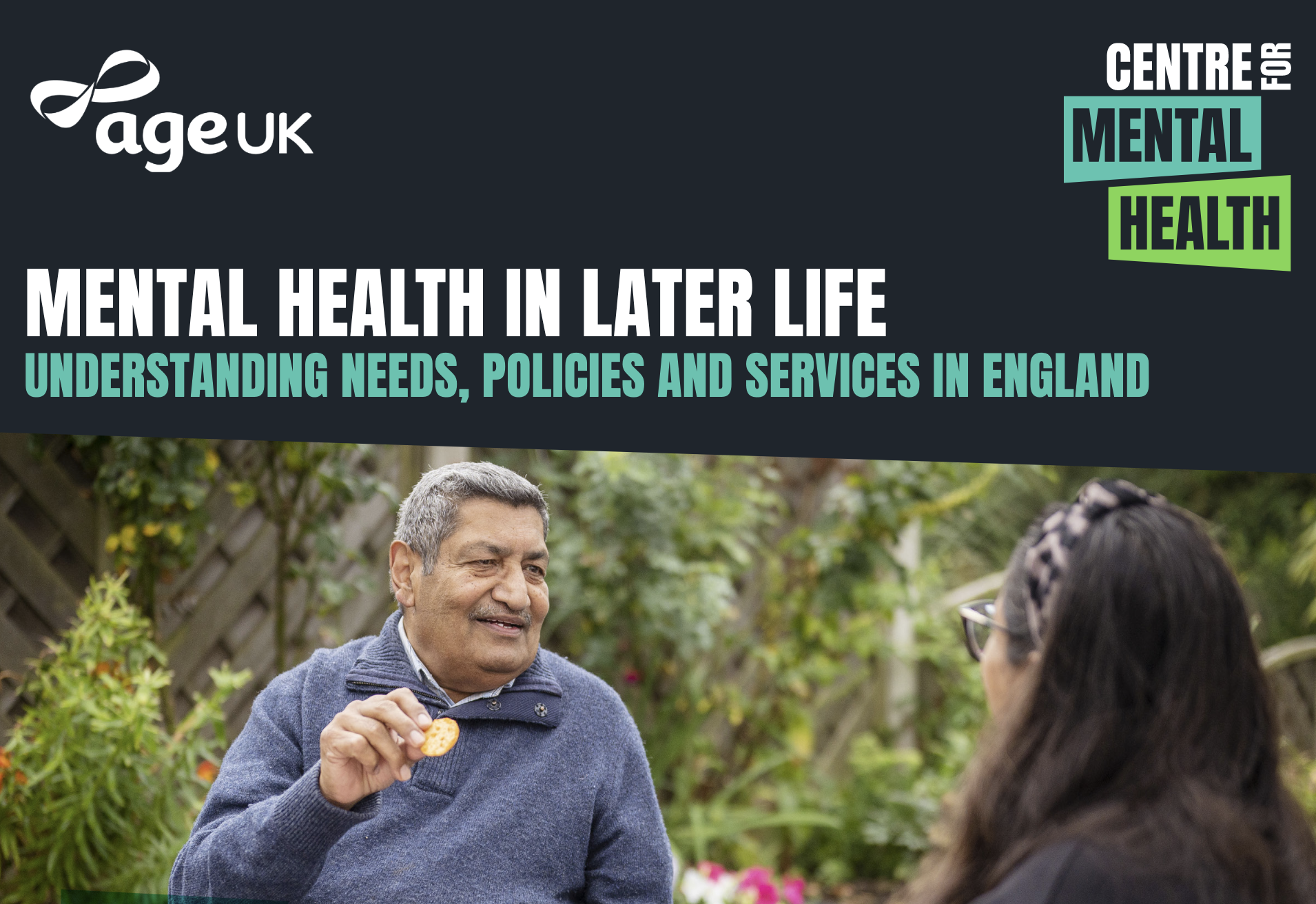
The report, “Mental Health in Later Life” says that ageism and discrimination stop older people from accessing support, with poor mental health often dismissed by health professionals as an “inevitable” part of getting older.
-
Widespread money worries for those approaching retirement new research finds
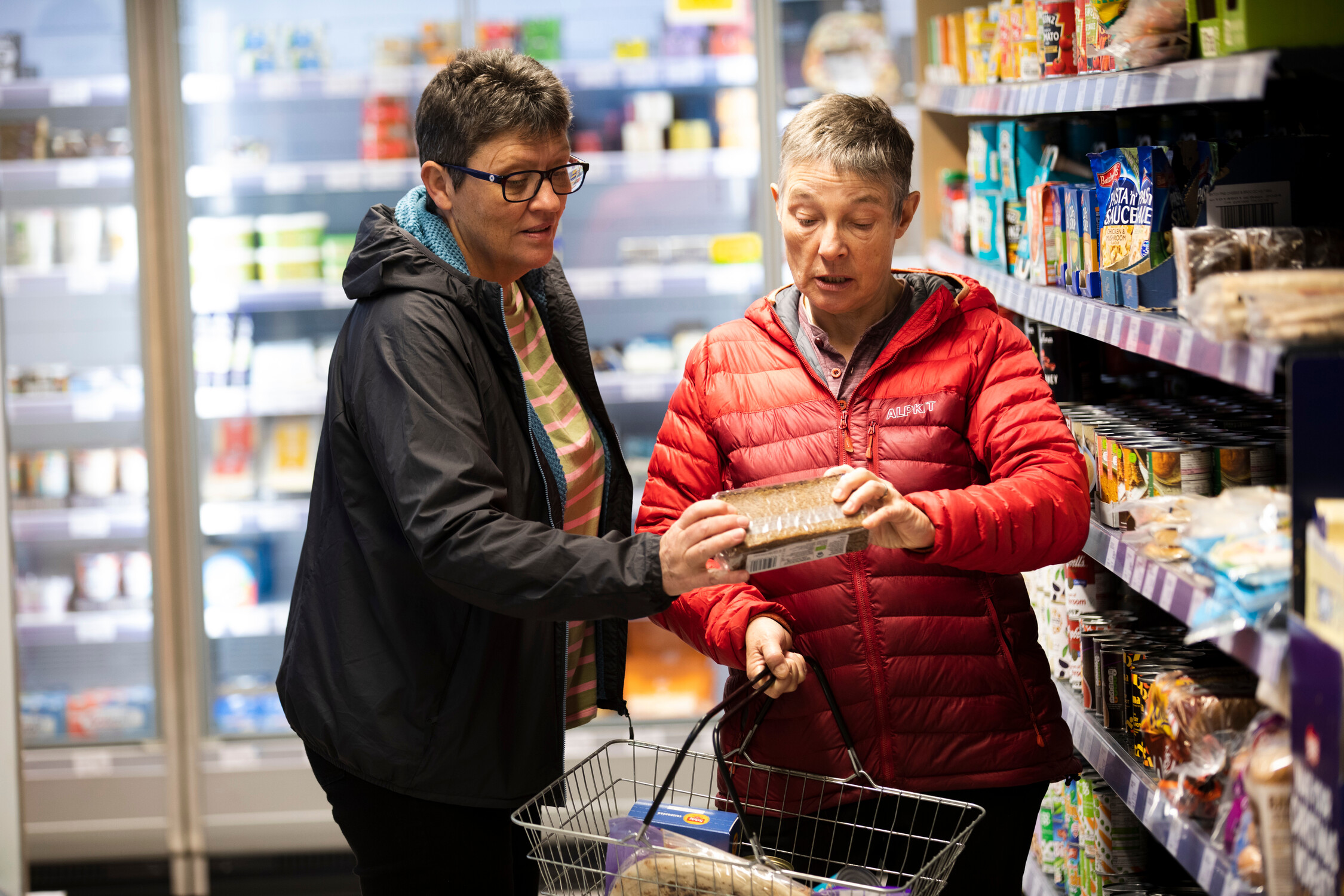
Almost half (41%) of people aged 50 and over who are not yet fully retired are concerned about living in economic hardship after they stop working, according to new research by the older people’s financial hardship charity Independent Age.
-
The “scandal” of homelessness among older people condemned

Independent Age has condemned new figures that show that in the latest quarter the number of homeless older people has gone up again, to 2,610.
-
New Age UK report calls for urgent reform of Windrush Compensation Scheme
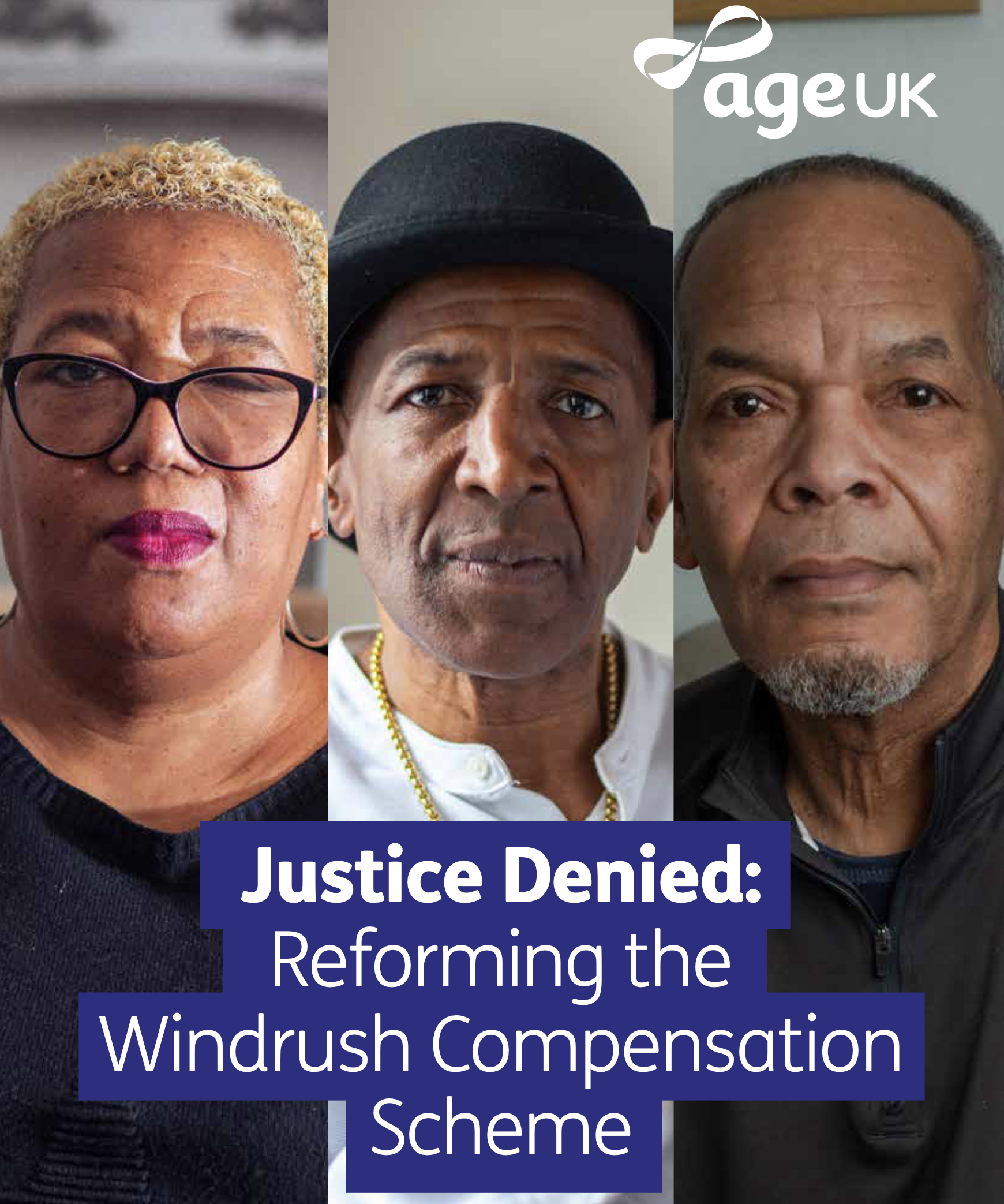
Almost five years since its creation fewer than one in seven of all those entitled have been compensated. Fifty three people have already died waiting for their claims to be processed.
-
Shipshape and Bristol fashion: all aboard for better mental health

This February saw the launch of a new boat in Bristol harbour… one which is designed to help improve the mental health of local older people.
