

Action on employment
It’s hard to read a business publication currently without coming across an article discussing one of the key issues faced by the UK (and most, if not all, developed countries): how best to attract and retain the skills and life experiences of older people.
And with good reason. The UK faces a huge skills shortage, exacerbated by the large number of “boomers” either in or entering their 60s, and not helped by the “great retirement” that appears to have occurred during lockdown. The crisis in our care system has led to a large swathe of the working population giving up work to care for a family member.
Many organisations are (sometimes belatedly) waking up to the fact that older workers can play a key role – not least by applying their people skills and learned experiences, making use of their contacts or by mentoring younger colleagues. They jettison this irreplaceable resource at their peril.
At the same time, the cost-of-living crisis is compelling many of this cohort to attempt to “unretire”. Equally, many older people simply love what they do, and the people they work with and for, and feel no need to retire.
It would not seem to be an insurmountable problem to bring employers and potential employees together, and supply would readily meet demand.
Except that… all too often there are barriers to older people remaining in or returning to work – their health, mobility and other commitments for instance – and adapting working practices and the workplace itself can prove essential to enable employers to tap into this resource. Less frequently, but still an issue to be resolved, can be ageist attitudes.
Initiatives such as the Midlife Review can play a big part in squaring the circle. So too can flexible working, or allowing employees to change to a less demanding role. In fact, there are myriad approaches which could help. We want this Action Area to look at this issue in the round and explore ways in which the needs of both older people and employers can best be resolved, and share those ideas and strategies with policy makers, employers and older people themselves.
Get involved
To contribute towards the AAA’s Employment policy plans or to see your blogs, papers, research or news on these pages, email: info@theageactionalliance.org
More reading
If you would like to read more about the Midlife Review, Steve Butler, CEO of Punter Southall Aspire and EngAgeNet director Tony Watts OBE have written a detailed guide to the review and its potential impact on work, wealth and wellbeing, available here: https://www.amazon.co.uk/Midlife-Review-guide-wealth-wellbeing/dp/1781334609
The Age Action Alliance is supported by
Latest News
-

Revealed: the age when you become too old to be fashionable… or employable
People no longer look good wearing the latest fashions and cease to be seen as a desirable hire by employers when they reach their mid-50s, according to new polling from the anti-ageism campaign “Age Without Limits”.
-

Healthy ageing… let’s hear it for the men fitness instructors!
While the majority of fitness instructors are ladies, the success of coaches like Lance Fermor shows that there’s a real demand for more older men to join their ranks.
-
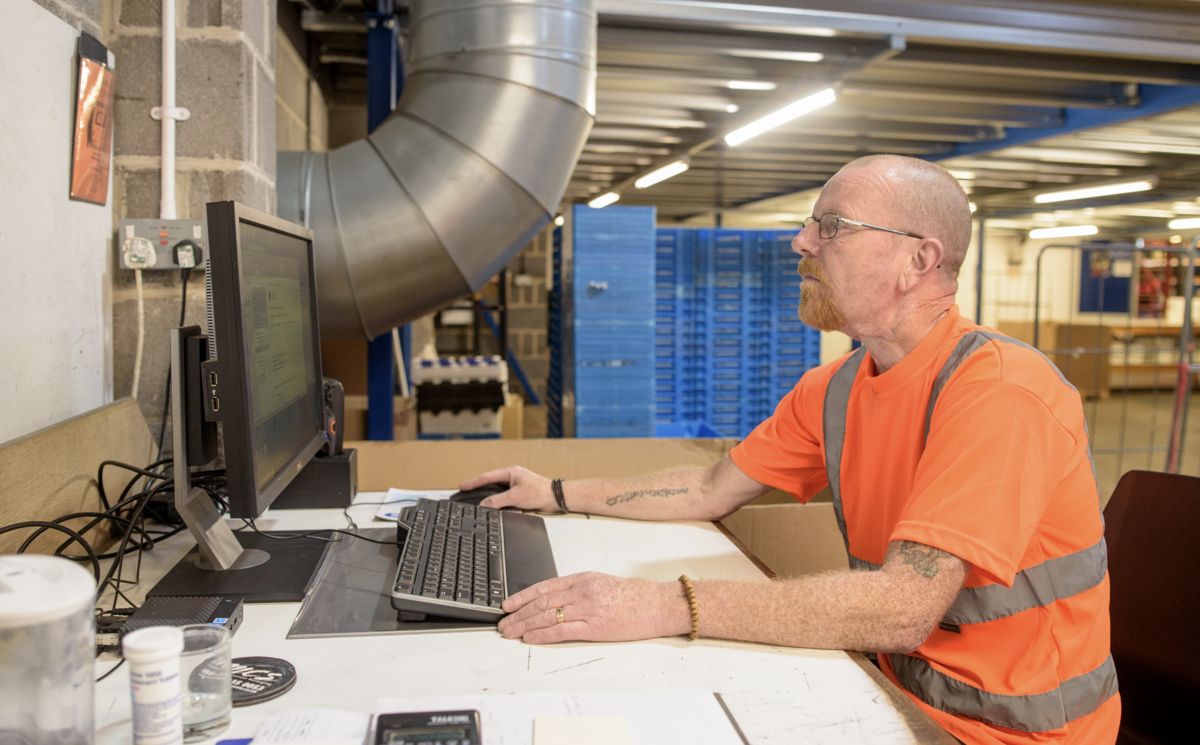
The pioneering group helping stroke-affected people get back to work
AAA members Bristol After Stroke are part of a ground-breaking group in Bristol helping those who have had a stroke prepare for returning to work.
-

Getting more over-50s into work “could unlock £109 billion for UK economy”
Helping more people in their 50s and early 60s stay in work could deliver a significant boost to Britain’s economy, according to new analysis from ILC’s UK Better Lives Index.
-

The “double prejudice” facing Disabled older workers
Disabled older workers are almost twice as likely to experience negative treatment when applying for jobs or promotions than their non-disabled peers, new research from the Centre for Ageing Better shows. The report, published in National Inclusion Week, reveals that more than two in five (44%) Disabled people aged between 50 and 66 years old…
-

Call on Government to get older people back to work
The government needs to show greater ambition for the working lives of older people if it is to meet its manifesto pledge of an 80% employment rate for the country, a collective of expert organisations is warning.
-

Covid’s seismic shock on older people “still felt five years on”
Older people’s health, employment and community connection have failed to recover since the pandemic, our new analysis from The Centre for Ageing Better reveals.
-

Persistent ageist myths revealed
As The Centre for Ageing Better’s “Age Without Limits” anti-ageism campaign enters its second year, it is calling on everybody to notice, challenge and change the country’s negative attitudes towards ageing and older people.
-

New project puts voice of Disabled older workers at the heart of policy-setting
The Centre for Ageing Better is launching an innovative new project designed to develop new policy and practice to improve support for Disabled people and people with long-term health conditions in their 50s and 60s to find and stay in work.
-

Low literacy and numeracy skills a barrier to support for millions of older people
New research from Learning and Work Institute, supported by Age UK, reveals an estimated six million people over 50 have difficulties with maths and six million have difficulties with reading.
-
Closing employment gap for older workers “would generate £9 billion a year for economy”
The Centre for Ageing Better has joined forces with other organisations to create the 50+ Employment Commitment which outlines six steps political parties should take to level the playing field for older workers.
-

With Covid still here, ILC issues plea to support employee vaccinations
Covid has not gone away, and with many older people potentially vulnerable to the effects of Long-Covid, ILC-UK is urging the Government to provide tax incentives to support employers who want to vaccinate their older members of staff.
Latest blogs & comments
-

London needs a new policy narrative for older people
As the capital’s average age increases, there is a lack of focus in London government on how to address and benefit from it, writes Tim Whitaker of Wise Age and the London Age Friendly Forum.
-
Why women’s transitions build the adaptability the “Future of Work” needs
Michele Dennison, in conversation with Dr. Tatiana Rowson for International Women’s Day, on the “The Midlife Advantage”.
-

Five Years of “U-Work”: Flexibility meets agility at Unilever
Michèle Dennison of ProAge explains the concept of U-Work, which reimagines the employment relationship.. and how it could transform the employment of older people.
-
Remaining economically active may be critical… but is it achieveable?
Many of us are looking to remain economically active into our 60s and 70s, and the UK urgently needs this labour and skill pool. But are employers doing enough to enable that to happen? By Richard Collinson, CEO of Retire Easy
-

Breaking down age silos – the role of Employee Resource Groups
Building intergenerational understanding and collaboration can unlock empathy, innovation and resilience, writes Michèle Dennison, guest blogger at ProAge.
-

Why Age Inclusion is the future of Retail Financial Services
Big changes are underway within the financial services, caused by demographic shifts. In this blog for ProAge, Dominic John and Mark Glover set out how employers need to rise to the challenge.
-

Age inclusion: the strategic advantage for B Corporations
Mike Mansfield of ProAge explores why age inclusion is vital for B Corps striving to be employers of choice, and how it aligns with the core values that make certification meaningful.
-

Flexible working: a strategic imperative for attracting and retaining older workers
Research at ProAge, supported by insights from the Greater Manchester Older Persons Network, shows that flexibility is more than a convenience for many older workers – it’s essential, says ProAge CEO Mike Mansfield.
-

A false dawn for older workers?
Labour’s first 100 days in office haven’t seen any bold new initiatives to get more older people back into work, says Tim Whitaker. Is it too much to ask that they do so soon?
-

Menopause: the end of reproductive, not productive, life
Tatiana S Rowson & Mike Mansfield explore how Menopause is starting to be recognised as a workplace matter.
-

Unlocking the potential of an ageing workforce: six strategies for success
As the global workforce continues to age, corporations are presented with a unique opportunity to tap into the wealth of knowledge and experience that older employees bring to the table, writes ILC Strategic Advisory Board member Yvonne Sonsino.
-

Why older workers are giving up on traditional recruitment
“Change doesn’t happen by following the crowd but by leading it,” says Lucy Standing, founder of Brave Starts, a career consultancy for people aged 50 and over.